


Ir al contenido
Caronte
Caronte
Ir al contenido
  • Inicio
  • Caronte
  • NASE
    • Materiales del curso NASE
  • ENA
  • Astronomía
    • Astrofísica
    • Astrofotografía
  • Contaminación Luminosa
    • Proyecto de ley de protección de cielos oscuros
Un astrónomo aficionado revela un retrato colorido del vecino formador de estrellas más cercano a la Tierra Semilleros Científicos de la Fundación CIDA fortalecen conocimientos sobre astronomía Eclipse de luna (noche del 13 al 14 de marzo 2025)

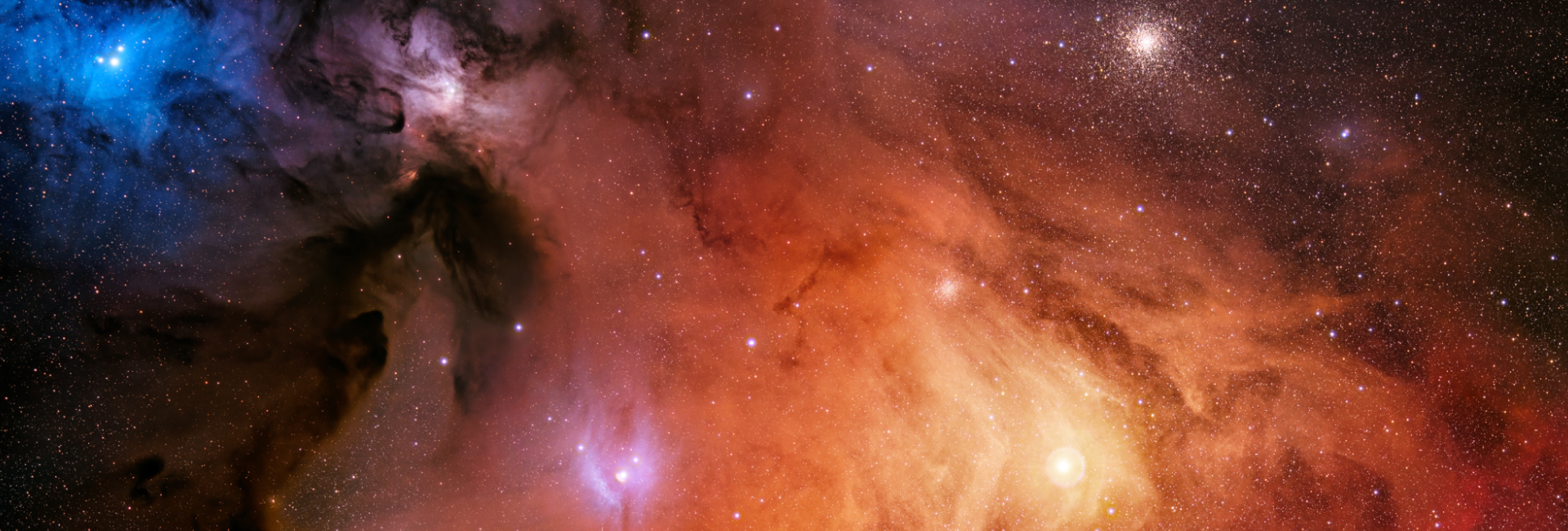
Un astrónomo aficionado revela un retrato colorido del vecino formador de estrellas más cercano a la Tierra

El astrofotógrafo Greg Meyer capturó una vista impresionante de la guardería estelar Rho Ophiuchi y del cúmulo globular Messier

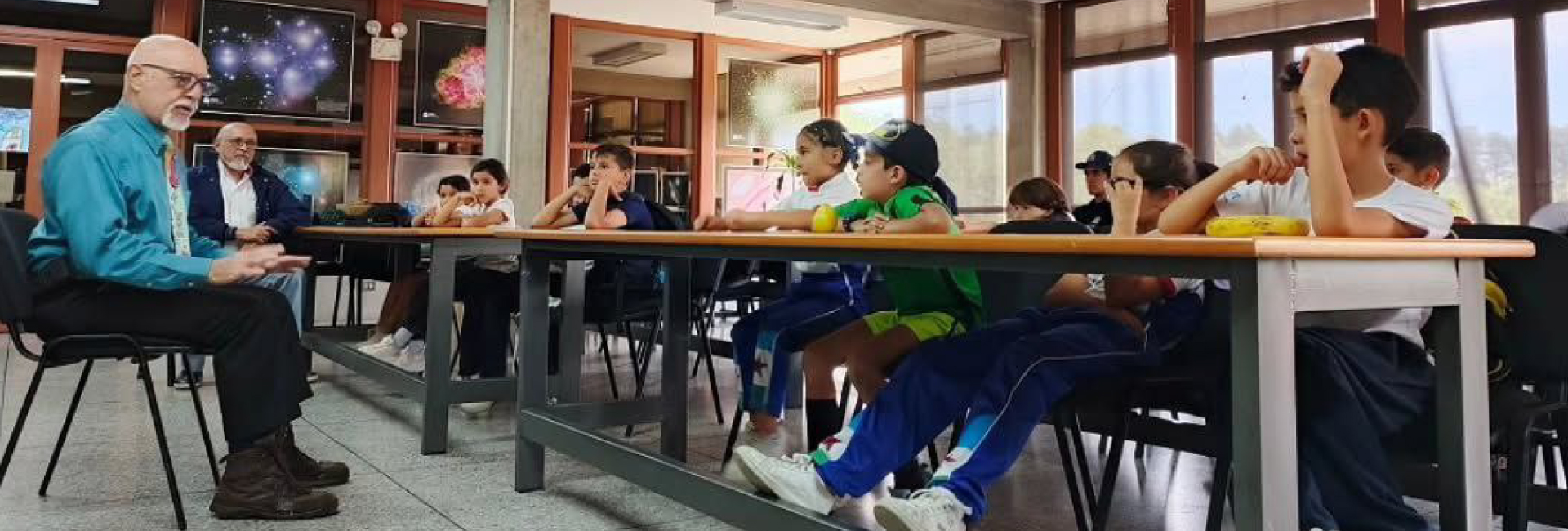
Semilleros Científicos de la Fundación CIDA fortalecen conocimientos sobre astronomía

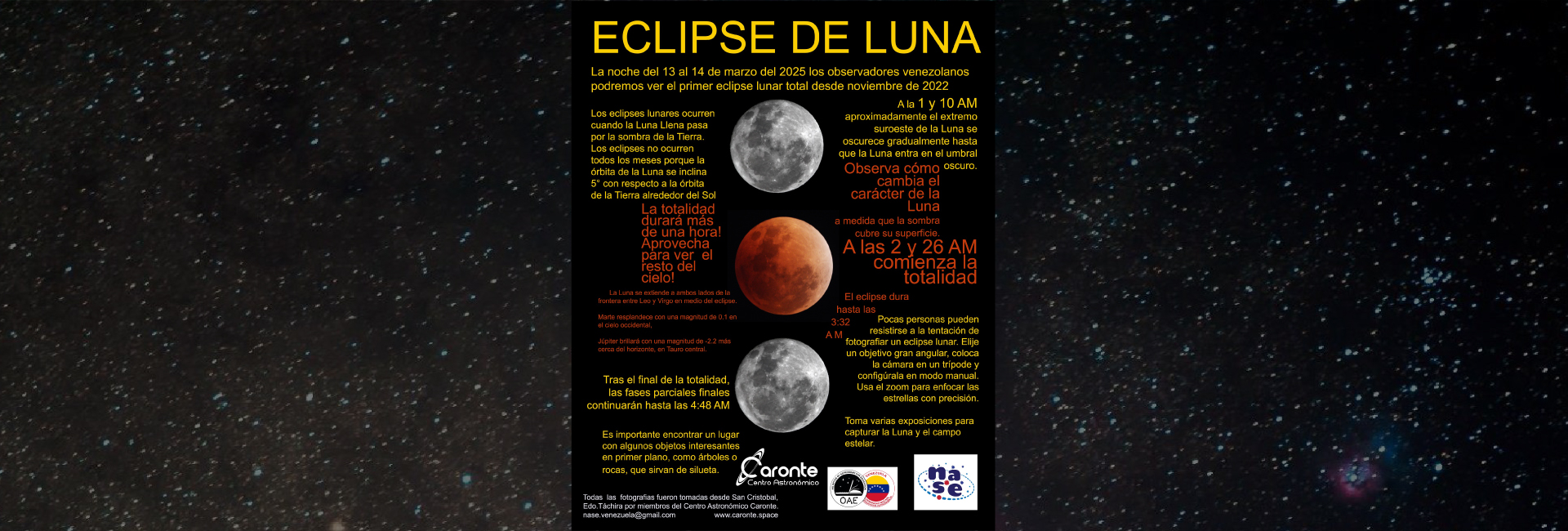
Eclipse de luna (noche del 13 al 14 de marzo 2025)

  • Imagenes del día Nasa.gov

    • NASA's James Webb Space Telescope Captures Eerie Cat's Head

      NASA’s James Webb Space Telescope’s mid-infrared view reveals intricate structures within the Cat's Head Nebula, traced by the emission from warm dust and carbon-based molecules excited by starlight.
    • NASA's Hubble Marks Way for Roman Space Telescope

      A sinuous spiral galaxy (center) appears in the same field of view as a vivid gravitational lens (right corner) in this Hubble image.
    • NASA's Neo Surveyor Sunshade

      The large sunshade of NASA’s Near-Earth Object Surveyor mission is inspected by a technician at BAE Systems Space & Mission Systems in Boulder, Colorado, in late July.
    • Webb Sees Turbulent Star Nursery

      In this Picture of the Month from the NASA/ESA James Webb Space Telescope, we visit a turbulent cauldron of star formation to see what is brewing inside dense clumps of gas.
    Ver esta publicación en Instagram

    Una publicación compartida de Diario del Pueblo (@diariodlpueblo)

  • Space.com

    • The Taurid meteor shower isn't much to look at. That's why I love it

      I used to make a basic mistake with meteor showers — I treated the zenith hourly rate (ZHR) like a timetable. If a shower were advertised at 20 meteors per hour, I'd go outside expecting something roughly every three minutes. After 10 quiet minutes, I'd start wondering what I was doing wrong. After half an hour, I'd start to doubt...
    • 'Star Trek's' William Shatner and George Takei honor the death of Walter Koenig

      This has been a pretty rough week for "Star Trek" royalty on this 60th anniversary year with the deaths of both Walter Koenig, "Star Trek's" Lt. Pavel Chekov on Sunday, Oct. 25 and Patrick Stewart, the storied sci-fi property's Captain Jean Luc-Picard on Wednesday, Oct. 28. With the passing of Walter Koenig at the age of 90 this past week,...
    • On this day in space! Oct. 30, 1964: NASA's weird Lunar Landing Research Vehicle takes 1st test flight to help Apollo astronauts land on the moon

      On October 30, 1964, NASA's Lunar Landing Research Vehicle, or LLRV, took to the skies for the first time. The LLRV was a bizarre, four-legged flying contraption commonly known as the "Flying Bedstead." NASA used it to simulate moon landings and liftoffs on Earth to prepare for Apollo 11, the first crewed lunar landing. The first person to give it...
    • Ghostly Cat's Head Nebula haunts the cosmos | Space photo of the day for Oct. 30, 2026

      Three views of the Cat's Head Nebula. A visible light image captured by NASA's Hubble Space Telescope (left); a mid-infrared image taken by James Webb Space Telescope (center); and the James Webb Space Telescope's near-infrared view (right). (Image credit: NASA, ESA, CSA, STScI; Image Processing: Joseph DePasquale (STScI))This "cat's head" would work perfectly in a witch's cauldron, glowing red "eyes"...

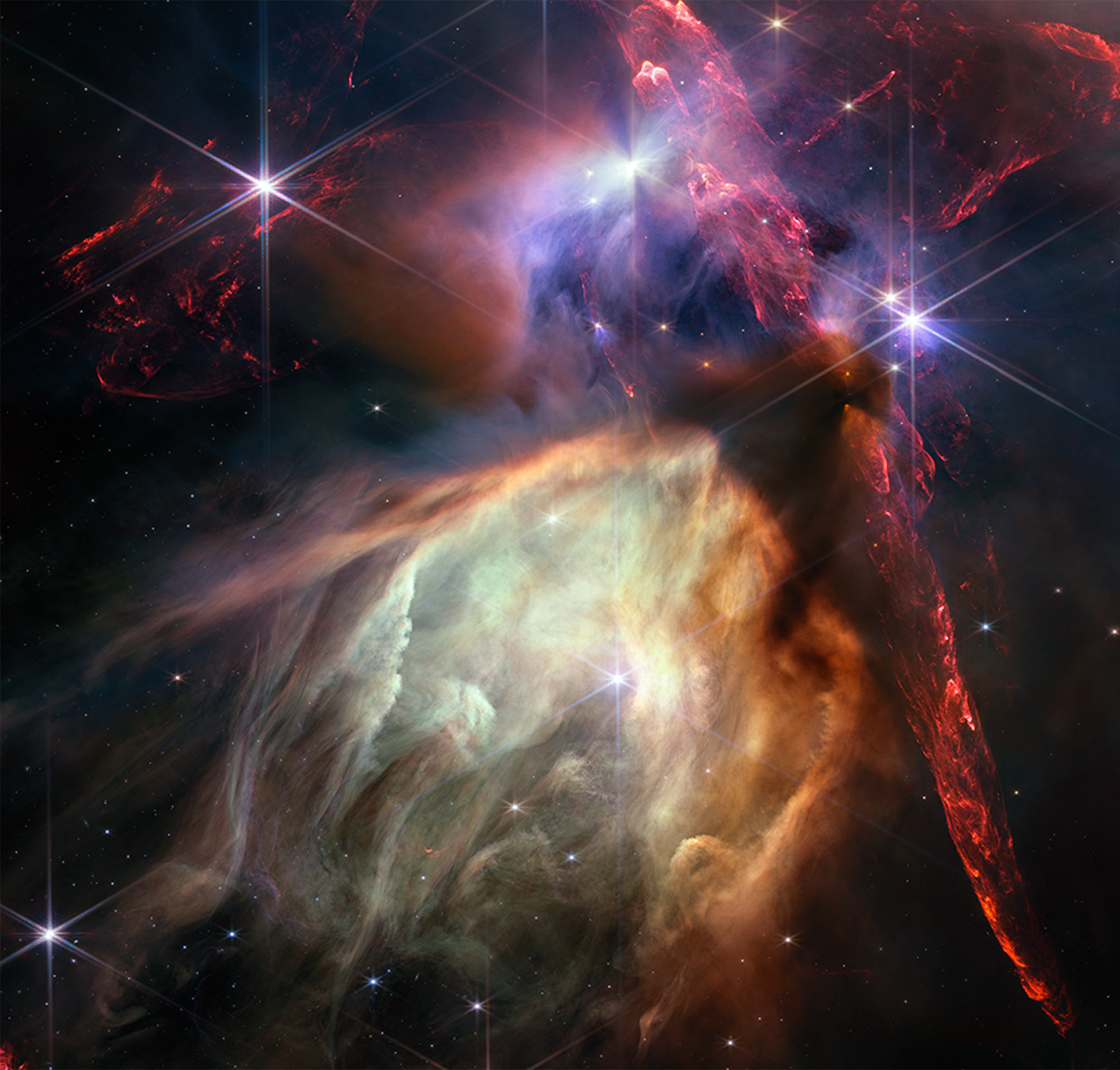
    Rho Ophiuchi (imagen de NIRCam)
  • Reloj de sol

    Caronte 27 febrero, 2025 4 marzo, 2025

    Leer más

    Exoplanetas

    Caronte 27 febrero, 2025 6 marzo, 2025

    Leer más

    «‹56789›»

    Cúmulo de galaxias MACS J1423 (imagen de NIRCam)
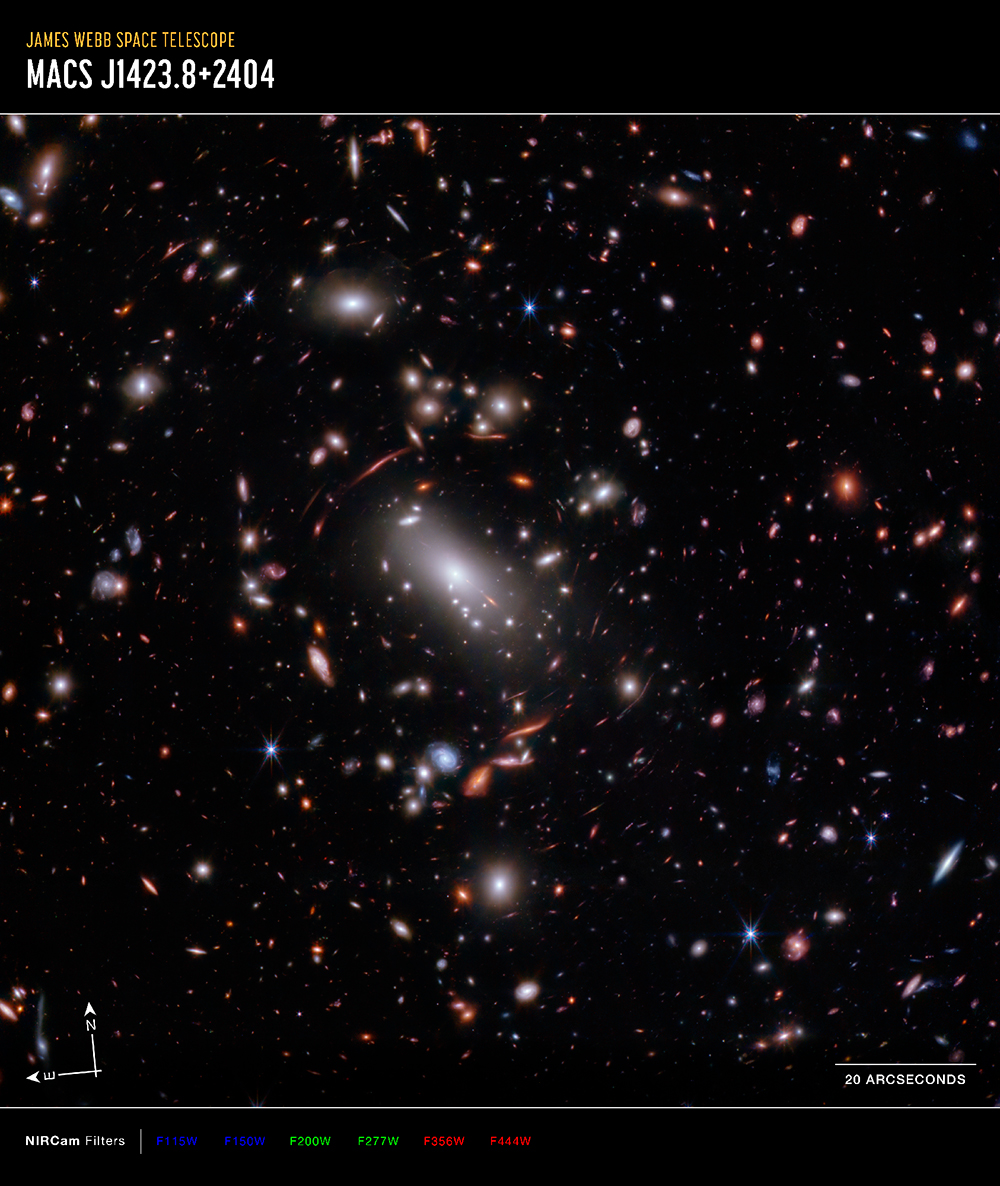

    Miles de galaxias brillantes están unidas entre sí por su propia gravedad y forman un cúmulo masivo clasificado formalmente como MACS J1423.
    El óvalo blanco brillante más grande es una galaxia elíptica supergigante y el miembro dominante de este cúmulo de galaxias. El cúmulo de galaxias actúa como una lente, magnificando y distorsionando la luz de los objetos que se encuentran detrás de él, un efecto conocido como lente gravitacional que tiene grandes beneficios para la investigación. Los astrónomos pueden estudiar las galaxias con efecto lente en detalle, como la galaxia Firefly Sparkle.
    Esta imagen de 2023 es de la NIRCam (cámara de infrarrojo cercano) del telescopio espacial James Webb. investigadores utilizaron Webb para estudiar el mismo campo que el telescopio espacial Hubble fotografió en 2010. Debido a su especialización en imágenes de infrarrojo cercano de alta resolución, Webb pudo mostrar a los investigadores muchas más galaxias con mucho más detalle.
    Web oficial Telescopio James Webb
    © Caronte 2025. Todos los derechos reservados.
    Funciona con Nirvana & WordPress.
    Facebook Twitter Instagram
    imunify-bot-check