
Ir al contenido
Caronte
Caronte
Ir al contenido
  • Inicio
  • Caronte
  • NASE
    • Materiales del curso NASE
  • ENA
  • Astronomía
    • Astrofísica
    • Astrofotografía
  • Contaminación Luminosa
    • Proyecto de ley de protección de cielos oscuros
Un astrónomo aficionado revela un retrato colorido del vecino formador de estrellas más cercano a la Tierra Semilleros Científicos de la Fundación CIDA fortalecen conocimientos sobre astronomía Eclipse de luna (noche del 13 al 14 de marzo 2025)

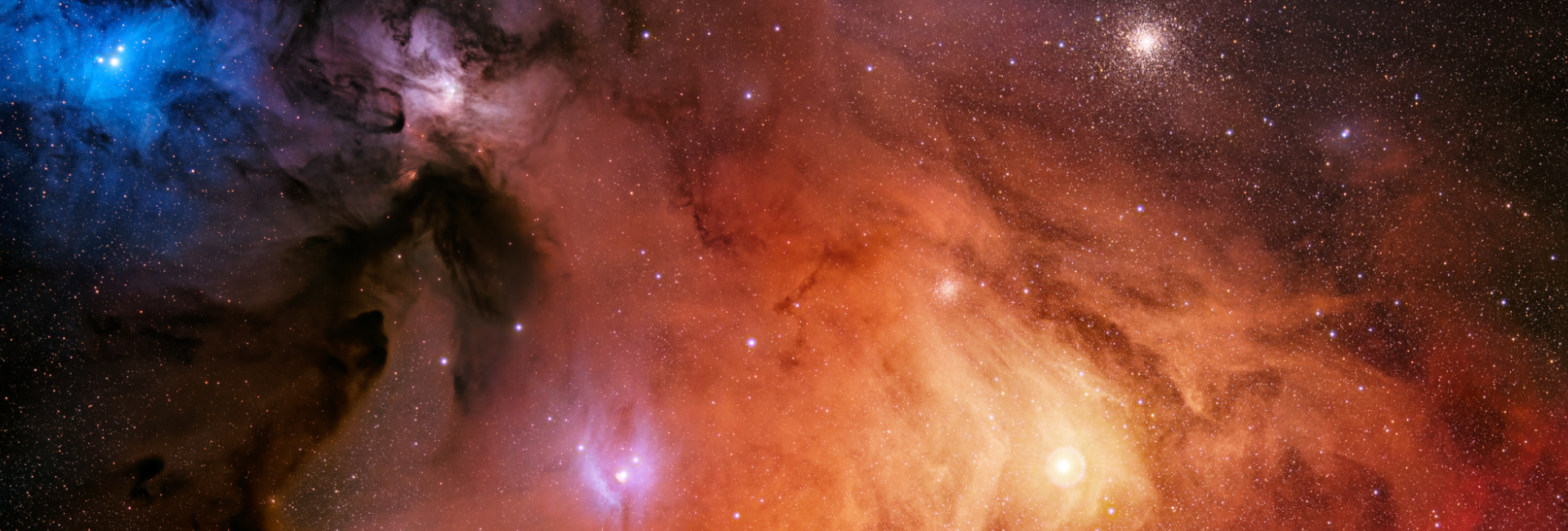
Un astrónomo aficionado revela un retrato colorido del vecino formador de estrellas más cercano a la Tierra

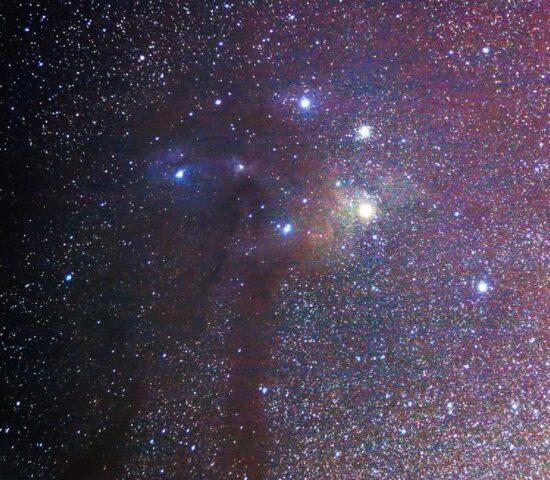
El astrofotógrafo Greg Meyer capturó una vista impresionante de la guardería estelar Rho Ophiuchi y del cúmulo globular Messier

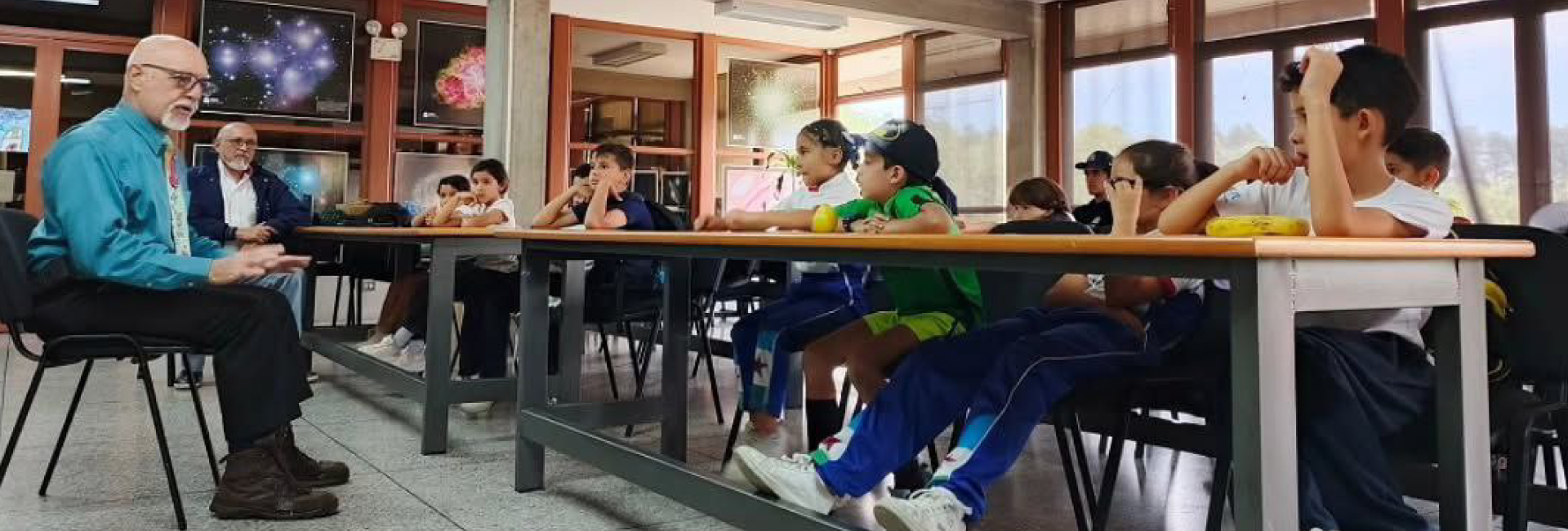
Semilleros Científicos de la Fundación CIDA fortalecen conocimientos sobre astronomía

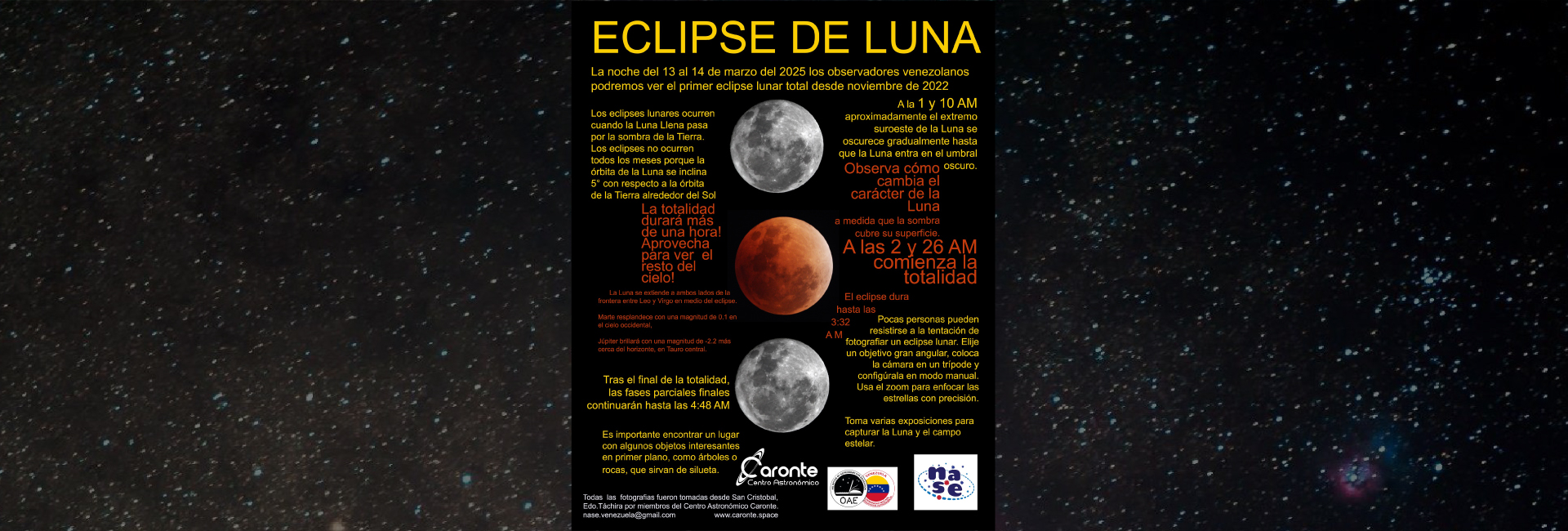
Eclipse de luna (noche del 13 al 14 de marzo 2025)

  • Imagenes del día Nasa.gov

    • NASA's Chandra Spots Galactic Gem

      Galaxies are like cosmic gems, each with characteristics including size and shape that make them distinct. A gallery from NASA’s Chandra X-ray Observatory and other telescopes displays a collection of galactic images that showcase this variety.
    • Dust and Water in Sagittarius A*

      Using the James Webb Space Telescope, an international team of astronomers have discovered that dust and water can form and survive surprisingly close to the supermassive black hole at the center of our Milky Way galaxy.
    • Artemis II Crew at NASA Marshall

      The crew of NASA’s Artemis II mission visited NASA’s Marshall Space Flight Center in Huntsville, Alabama on Sept. 1, 2026.
    • Superbubble in the Large Magellanic Cloud

      N44 is a complex nebula filled with glowing hydrogen gas, dark lanes of dust, massive stars, and many populations of stars of different ages. One of its most distinctive features, however, is the dark, starry gap called a “superbubble,” visible in this Hubble Space Telescope image in the upper central region.
    Ver esta publicación en Instagram

    Una publicación compartida de Diario del Pueblo (@diariodlpueblo)

  • Space.com

    • NASA, IBM launch new AI model for studying the moon

      We've been studying the moon for a long time. NASA has gathered mountains of data over decades of lunar missions and studies. The data collected by the Lunar Reconnaissance Orbiter (LRO) alone, for example, exceeds that of all NASA's other planetary missions combined. Analyzing all this information takes lots of time and effort from researchers. So, NASA and IBM have...
    • Rocket Lab protests NASA's decision to award Blue Origin $700 million Mars orbiter contract

      Rocket Lab still holds out hope that it can build NASA's next Mars orbiter.The agency picked Blue Origin for that job earlier this month, awarding Jeff Bezos' spaceflight company $700 million to develop, launch and operate the Mars Telecommunications Network (MTN).Today (Sept. 11), however, Rocket Lab announced that it has challenged that decision, filing a formal protest with the Government...
    • I've chased the 'false dawn' for years — this is the week to find and photograph it

      Some stargazing feels like you know exactly what you are looking for, but you're still slightly unsure whether you are actually seeing it. Zodiacal light — meaning "light from the circle of animals" — is often like that.I have chased this so-called "false dawn" for years, and the first few minutes are always the same. I stare toward the horizon...
    • A star is exploding 45 million light-years away — here's how you can see it

      An extraordinary exploding star has been spotted in a distant galaxy, and astrophotographers are racing to capture it before it fades from view.The supernova, called SN 2026aaiv, was first seen by the ATLAS survey on Sept. 1 in NGC 7331 (also known as Caldwell 30), a spiral galaxy about 45 million light-years away in the constellation Pegasus, visible in the...

    Rho Ophiuchi (imagen de NIRCam)
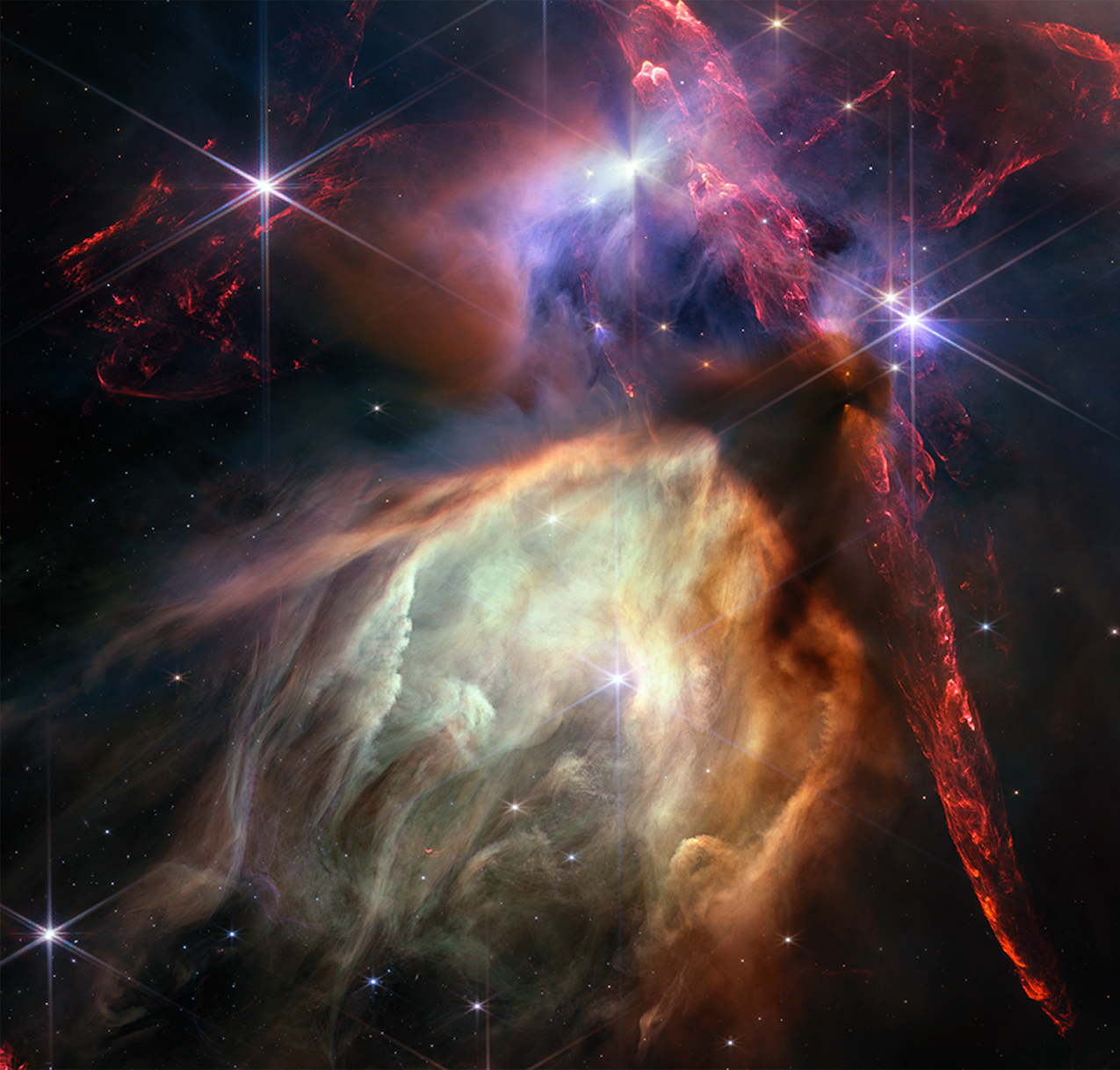
  • Rho Ophiuchi

    Caronte 2 marzo, 2025 7 marzo, 2025

    La nebulosa de Rho Ophiuchi (o Rho Oph) es una de las regiones de formación estelar más cercanas y espectaculares de la Vía Láctea

    Leer más

    Didáctica de la Astronomía

    Caronte 28 febrero, 2025 6 marzo, 2025

    Curso NASE 2025-IVVenezuela

    Leer más

    «‹45678›»

    Cúmulo de galaxias MACS J1423 (imagen de NIRCam)
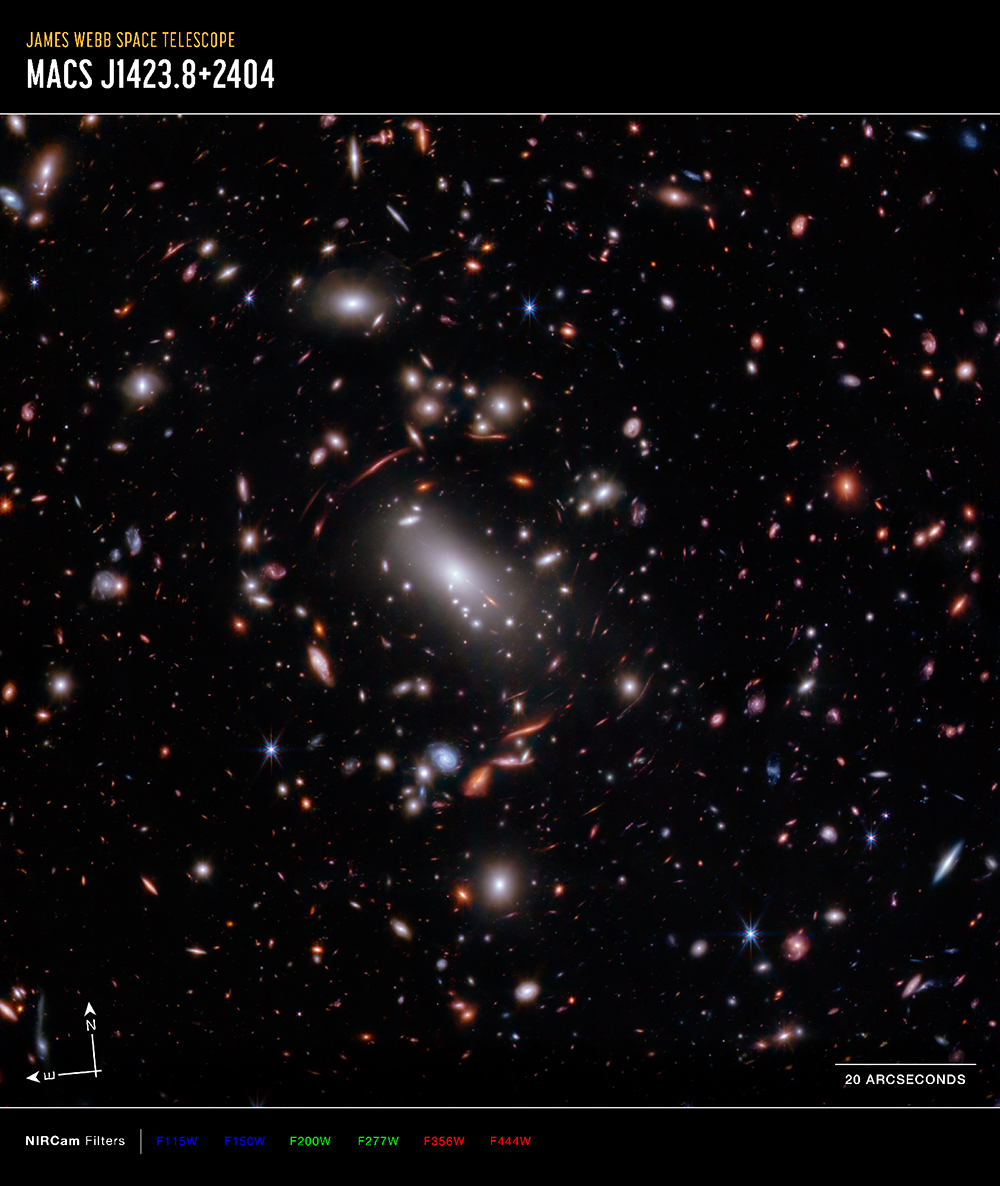

    Miles de galaxias brillantes están unidas entre sí por su propia gravedad y forman un cúmulo masivo clasificado formalmente como MACS J1423.
    El óvalo blanco brillante más grande es una galaxia elíptica supergigante y el miembro dominante de este cúmulo de galaxias. El cúmulo de galaxias actúa como una lente, magnificando y distorsionando la luz de los objetos que se encuentran detrás de él, un efecto conocido como lente gravitacional que tiene grandes beneficios para la investigación. Los astrónomos pueden estudiar las galaxias con efecto lente en detalle, como la galaxia Firefly Sparkle.
    Esta imagen de 2023 es de la NIRCam (cámara de infrarrojo cercano) del telescopio espacial James Webb. investigadores utilizaron Webb para estudiar el mismo campo que el telescopio espacial Hubble fotografió en 2010. Debido a su especialización en imágenes de infrarrojo cercano de alta resolución, Webb pudo mostrar a los investigadores muchas más galaxias con mucho más detalle.
    Web oficial Telescopio James Webb
    © Caronte 2025. Todos los derechos reservados.
    Funciona con Nirvana & WordPress.
    Facebook Twitter Instagram